Understanding the different construction phases and the specific inspections required at each stage is the best way to protect your investment. At Inspection Gator, we provide professional phase Inspections that act as a quality control check throughout the build.
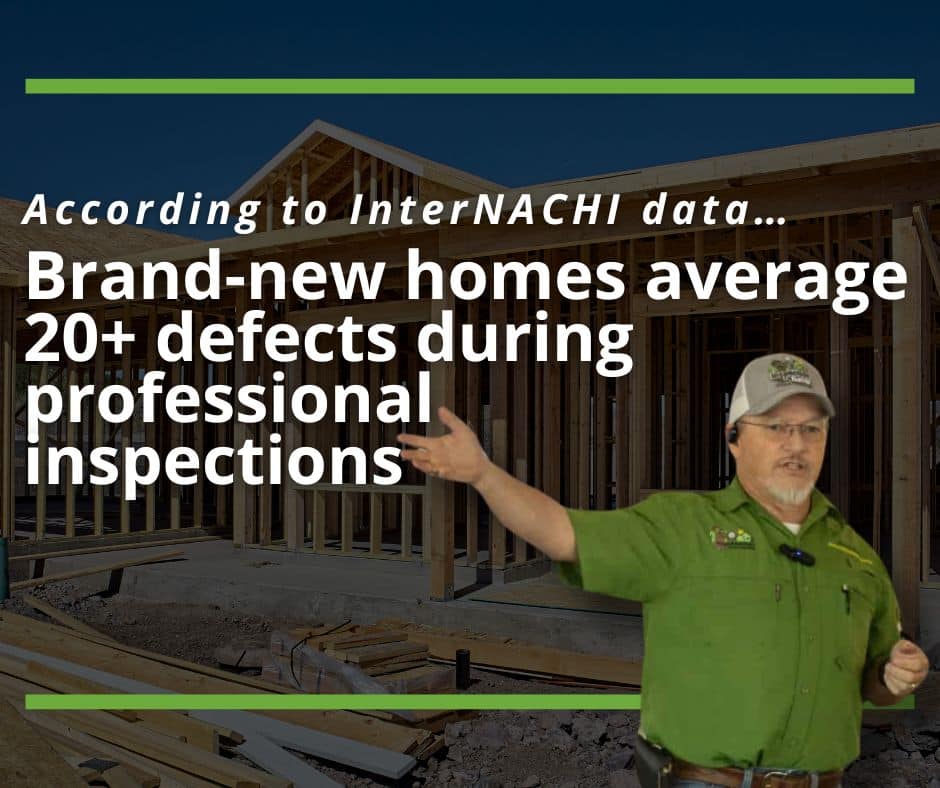
Building a new home is a journey filled with excitement. But it also involves thousands of moving parts that must come together perfectly. Many homebuyers assume that because a house is brand new, it is inherently free of defects. However, the speed of modern construction and the sheer number of subcontractors involved can lead to significant errors that are often hidden behind finished walls.
Identifying issues while they are still accessible ensures that your new home is built to the highest standards of safety and craftsmanship. Our goal is to make sure your home is truly Gator Tested before you move in.
Why New Constructions Need Independent Inspections
A common misconception is that city or county building inspectors provide all the oversight a homeowner needs. While these inspectors are essential, they often check for minimum standard compliance. An independent inspection looks at long-term quality and specific architectural details.
Furthermore, they have less time to spend on site due to the high volume of new construction in certain Arkansas, Texas, and Oklahoma regions.
Independent phase inspections provide a dedicated, thorough evaluation of your specific home. We work for you, not the builder or the city. Our goal is to catch structural, mechanical, and safety issues before they become permanent liabilities.
The Phases of Construction
To help you visualize the timeline, here is a breakdown of when these inspections typically occur:
- Pre-Pour: Usually occurs 1 to 2 weeks after groundbreaking, once the utility lines are in the ground.
- Pre-Drywall: Occurs after the roof and windows are in, roughly midway through the total build time.
- Post-Drywall: Conducted once the drywall/sheetrock is ready, and the plumbing and electrical systems are fully roughed-in, but final fixtures aren’t done yet.
- Final Phase: Occurs 1 to 2 weeks before your closing date, once the utilities are on.
Phase 1: The Pre-Pour Inspection
The foundation is the most critical part of your home. The pre-pour inspection occurs after the footers are dug and the underground plumbing and electrical lines are installed, but before the concrete is poured.
This is the only time we can verify the systems that will eventually live under your floors.
During this phase, we verify:
- Vapor Barrier. We check that a heavy-duty plastic barrier is there to prevent ground moisture from rising through the concrete slab.
- Plumbing Support. We ensure all drain lines have proper slopes and support. That way, they do not shift or break during the heavy concrete pour.
- Soil Compaction. We look for signs that the soil has been correctly prepared. This helps prevent the slab from cracking or sinking over time.
- Termite Pre-Treatment. We verify that the soil has been treated to protect the future wooden structure from infestations.
Phase 2: The Pre-Drywall (Rough-In) Inspection
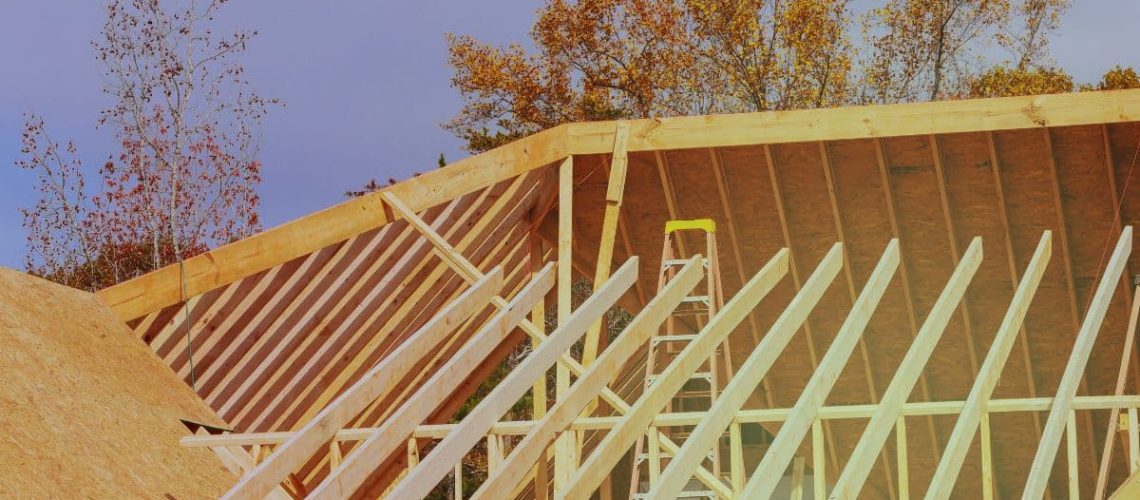
Once the house is dried in, meaning the roof is on and the exterior walls are framed, the pre-drywall inspection takes place.
This is perhaps the most important phase for the homeowner because it is the last time you can see the guts of the house before they are hidden by drywall.
Critical items we evaluate in this stage:
- Framing Integrity. We check for missing studs, improper headers, and ensure all structural connectors like hurricane straps are in place.
- Electrical and Plumbing. We verify that wires are not pinched, pipes are properly strapped, and all penetrations through the framing are sealed for fire safety.
- HVAC Ductwork. We look for crushed ducts or improper sealing that could lead to energy loss and uneven temperatures in your home.
- Moisture Protection. We check the exterior house wrap and flashing around windows to ensure the home is watertight.
Phase 3: The Post-Drywall Inspection
The post-drywall inspection happens after the walls and ceilings are closed up but before final fixtures are installed. This is your last opportunity to verify that rough-in work was completed correctly before finishes cover everything permanently.
At this stage, drywall is installed and taped, and all electrical and plumbing systems are fully roughed in. Pipes, wiring, and junction boxes are in place within the walls, but you will not see outlets, light fixtures, sinks, or toilets yet.
Critical items we evaluate in this stage:
- Insulation Installation. We verify insulation is properly installed in exterior walls and attics for energy efficiency.
- Electrical and Plumbing Rough-In. We confirm all junction boxes, wiring, water supply lines, and drain pipes are correctly positioned and secured.
- HVAC System Check. We ensure ductwork openings are properly cut, and registers are positioned correctly.
- Fire Safety. We check that fire blocks and penetration seals are in place where required.
Phase 4: The Final Inspection (Pre-Closing)
The final inspection occurs when the home is 100 percent complete and ready for move-in, according to the builder. While this is similar to a standard home inspection for an existing property, we are specifically looking for finish line errors and ensuring all systems are functioning as intended.
During this stage, we test all appliances, check the HVAC system’s performance, and evaluate the final grading of the lot to ensure water flows away from the foundation.
We also look for cosmetic issues that might signal underlying problems, such as cracks in the flooring or doors that do not latch properly. This is the final check to ensure the property meets our Gator Tested standards.
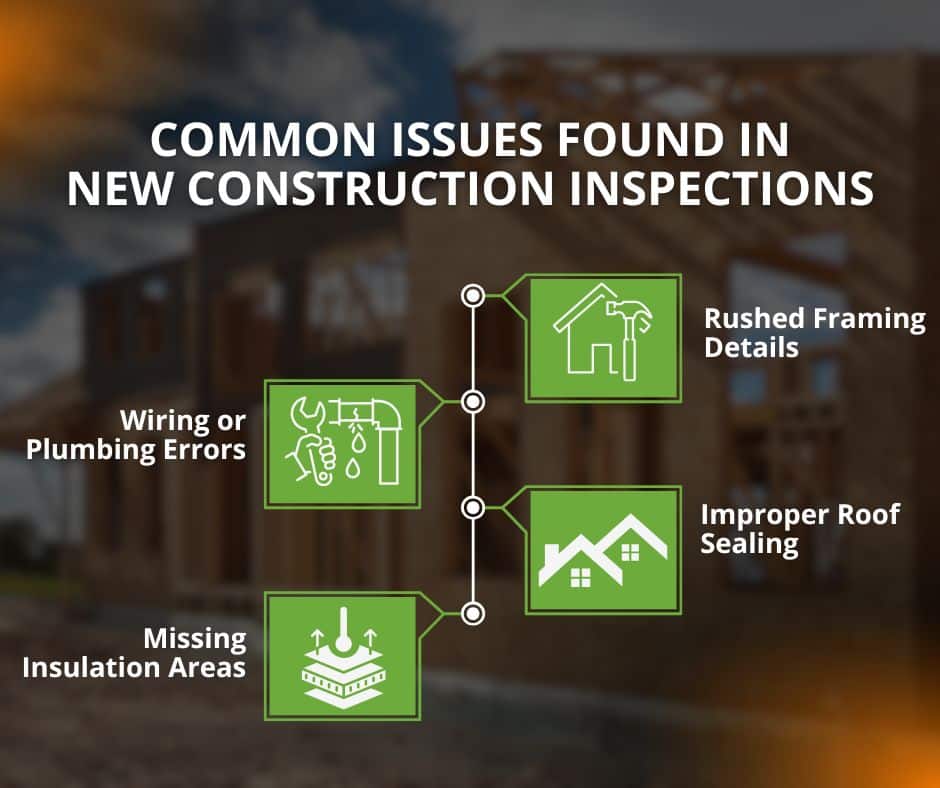
Regional Building Trends and Quality Control
The construction market across our region is currently moving at a rapid pace.
Areas like Little Rock and Northwest Arkansas are seeing a significant rise in building permits, often ranking among the highest in the country for construction growth.
When neighborhoods expand this quickly, builders and subcontractors are often under immense pressure to keep up with tight schedules. This high-speed environment can lead to shortcuts or simple human error.
Having an independent set of eyes on the project is the best way to ensure your home looks good and is structurally sound from the ground up.
Why this matters:
- Meeting High Standards. Crews jump from one job site to the next. Important details in the foundation or framing can be easy to overlook.
- Catching Errors Early. Fixing a plumbing slope or a structural header is a simple task when the house is still open, but it becomes a nightmare when the concrete and drywall are complete.
- Protecting Your Investment. In a fast-moving market, inspections provide the quality control needed to ensure your home is truly Gator Tested and built to last for decades.
Recent building statistics show that thousands of new homes get permits every month in our corner of the country. This volume makes it impossible for city inspectors to catch every detail.
Our goal is to fill that gap, giving you the peace of mind that your home meets the highest standards of safety and craftsmanship, no matter how fast the construction boom is moving.
Related Questions
How does a phase inspection help with my new home warranty?
Phase inspections provide a documented history of your new home’s construction. If a structural issue appears later, you have professional reports and photos to prove the condition of the home during the build process.
What happens if the builder refuses to fix an item?
Most builders want to deliver a quality product and will address items in a professional report. If they refuse, you can discuss the matter with your real estate agent or legal counsel before you finalize the purchase.
Do these inspections cover the exterior of the home?
Yes, we evaluate the siding, grading, and drainage. In Arkansas, ensuring water flows away from your foundation is essential to preventing future settling or basement moisture problems.
When to Call a Professional
Whether you are building from the ground up or maintaining a property you’ve owned for years, timing is the key to preventing small issues from becoming expensive disasters.
At Inspection Gator, we offer more than just new construction oversight; we are your lifelong partners in property health.
You should reach out if:
- You are under contract on a new build. Contact us as soon as you sign your contract. Then, we can sync with your builder’s schedule for the pre-pout, pre-drywall, post-drywall, and final construction phases.
- You are buying an existing home. Schedule a pre-purchase inspection immediately to uncover issues before you commit.
- Your builder’s warranty is expiring. This one is time sensitive! An 11-Month Warranty Inspection catches defects that the builder is still on the hook to fix at their expense.
- You notice unusual odors or moisture. If you detect musty smells or see water stains, professional mold and air quality testing can identify hidden health risks..You suspect hidden utility issues: For properties with older lines or rural setups, we offer specialized sewer scopes, well inspections, and septic evaluations.
Conclusion
A new home is a massive investment. Relying solely on the builder for quality control is a risk you do not have to take.
By scheduling inspections at each stage, you ensure that every part of your home will last.
If you are ready to start your new construction journey on the right foot, book with Inspection Gator today. Our team will help you learn more about inspections for each of the critical phases.