The issues that sink a commercial property investment are almost never hidden. Nobody looked. A commercial inspection is what turns a building’s unknown condition into a priced, negotiable number before your deposit goes hard.
At Inspection Gator, we inspect retail, warehouse, office, and multifamily buildings across NE Texas, SW Arkansas, and SE Oklahoma, and the same problems show up deal after deal.
Here’s what a commercial inspection does for an investor, when to order it, and the specific issues worth catching before you close.
What Does a Commercial Inspection Do for Investors?
A commercial inspection is a visual, non-invasive assessment of a building’s structure, systems, and site, delivered as a written report with photos and repair priorities. Its job is not to tell you the building is fine. Its job is to price what isn’t.
Three things come out of a good report. You get a list of items you can bid and negotiate. You get a capital reserve number for years one through five. And you get a short list of things that need a specialist before you commit.
It is not a home inspection scaled up. A 40,000-square-foot warehouse has rooftop units, loading docks, three-phase power, and a roof membrane a residential inspector may never have walked.
In Texas, the Texas Real Estate Commission’s Standards of Practice apply to one-to-four family residential property. A TREC-licensed inspector isn’t required to follow that form on a commercial building, so commercial scope is set by agreement, not by rule.
A good firm hands you a written scope before they start. A weak one sends a residential checklist with a commercial invoice attached. For the full comparison, see how commercial building inspections differ from homes.
When to Order It in Your Due Diligence Window
Order the inspection in week one, not week four. Most commercial contracts give you 30 to 60 days to inspect, review leases and financials, verify title and zoning, and decide whether your deposit goes hard. That sounds generous until you use it.
- Week 1: Order the inspection. Request maintenance records, permits, and prior reports from the seller.
- Week 2: Inspection performed, report delivered.
- Weeks 3 to 4: Specialist follow-ups and contractor bids, so your repair numbers are real.
- Weeks 5 to 8: Renegotiate, restructure, or terminate.
Investors who order at day 25 lose the follow-ups and the bids. They end up negotiating from a guess, and sellers can tell.
The Issues That Cost Investors the Most
A commercial report runs long, and most of what’s in it is minor. The findings that actually move a deal cluster in four places. Work them in this order, because a structural or roof problem changes what everything under it is worth.

Structure and Foundation
Diagonal cracking at slab corners, doors that won’t latch, separation at masonry joints, and columns or load-bearing walls that have been altered during a past tenant buildout. Foundation movement changes both your repair cost and your resale story, so it gets priced before anything else.
Roof and Water Intrusion
Ponding, failed flashing, open penetrations, rooftop unit curbs that leak, and a membrane or metal system near the end of its service life. Water is the issue that multiplies: a roof problem becomes an insulation problem, then a ceiling problem, then a mold remediation problem.
HVAC, Electrical, and Plumbing
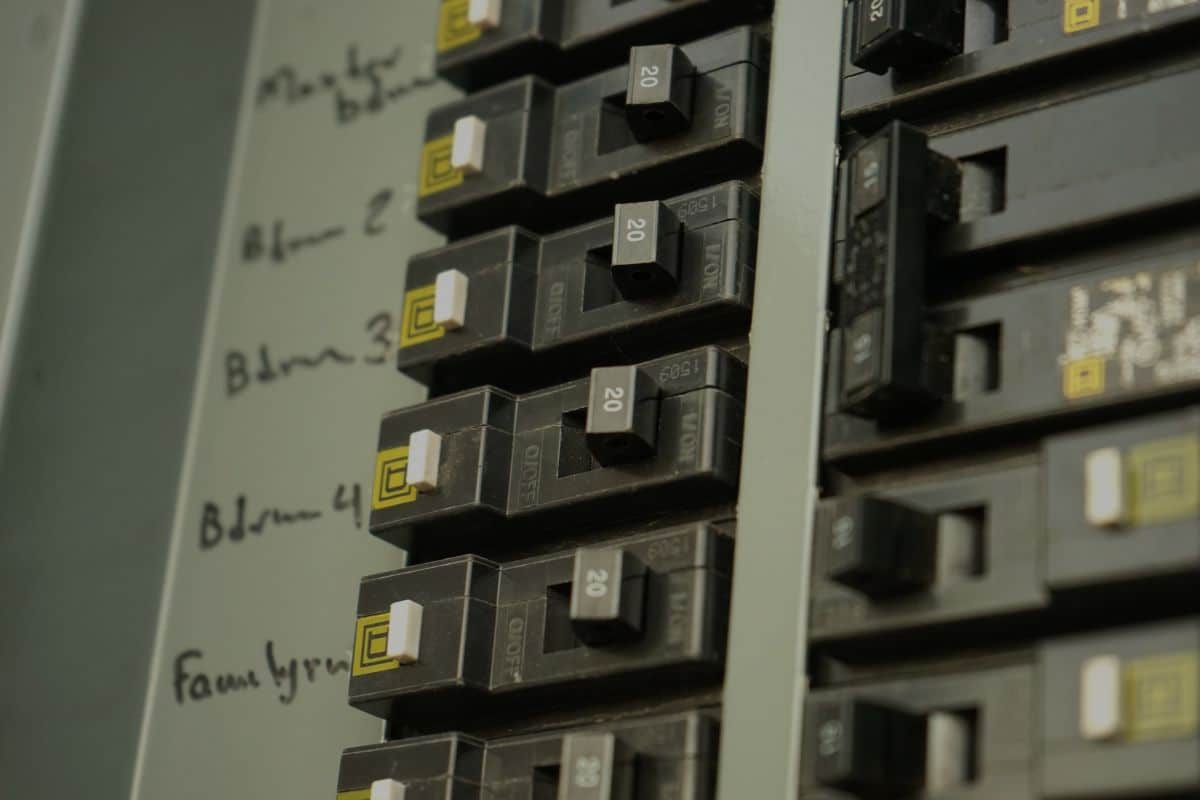
Unit count and age against tonnage the building actually needs, panels and service size against what your tenant plans to run, and supply and drainage on older buildings. On anything built before the 1980s, add a sewer scope. Four twelve-year-old rooftop units aren’t a negotiating item on their own, but they tell you exactly what year three of your hold looks like.
Site, Drainage, and Life Safety
Pavement and striping, retaining walls, and whether water runs toward the building or away from it. Then exits, emergency lighting, extinguishers, and visible fire suppression components. Drainage is cheap to correct and expensive to ignore.
On multifamily, ask for unit-level sampling. A report covering three of twenty-four units is a sample, not a survey, and the difference shows up in your reserve.
Issues Specific to This Region
Buildings in NE Texas, SW Arkansas, and SE Oklahoma carry risks that out-of-state investors miss.
- Soil movement: Clay-heavy soils across much of the region expand when wet and shrink when dry. On commercial slabs that shows up as the cracking patterns above, and drainage pushing water against the foundation makes it worse.
- Roof age and insurability: This is an active hail corridor, and carriers look hard at roof age, material, and prior claims. A roof past its useful life can change your premium, your deductible, or whether you get a quote at all. Pull the permit history, not just a look at the roof.
- Flood zone: Check the parcel yourself at the FEMA Flood Map Service Center before you rely on anyone’s summary. It drives insurance cost and what the floodplain administrator will require on a major renovation.
Because state standards don’t govern commercial scope, credentials matter more here, not less. We’ve been family-owned and operated since 2008, and our team includes inspectors with separate commercial credentials, including Tony Crouch with more than 30 years in the field.
How an Issue Changes the Deal Math
A finding is only worth what you do with it. Every significant item should land in one of five buckets before you respond to the seller.
| Response | Use It When | What You Ask For |
|---|---|---|
| Price reduction | The item is a known, bid-able cost you’ll absorb after closing | Purchase price cut by the bid amount |
| Repair credit | You want the work done your way, on your schedule | Credit applied at settlement |
| Seller repairs | The item affects occupancy, insurability, or lender approval | Completed work, permits, and a re-inspection |
| Escrow holdback | Scope isn’t final, or weather delays the work | Funds held until the repair is verified |
| Terminate | The cost or the unknowns break your underwriting | Deposit returned inside the window |
A number backed by a contractor bid moves a seller. A number backed by a report alone usually doesn’t.
What a Commercial Inspection Does Not Cover
A general inspection is the first pass, not the whole file.
| Assessment | What It Answers | Who Performs It |
|---|---|---|
| Commercial property inspection | What condition is the building in right now? | Licensed commercial inspector |
| Property Condition Assessment (ASTM E2018) | What will this building need over a defined term, in the format lenders expect? | PCA consultant or engineering firm |
| Phase I Environmental Site Assessment (ASTM E1527) | Is there a recognized environmental condition on this site? | Environmental professional |
| Structural engineering evaluation | Is this crack pattern a problem, and what fixes it? | Licensed professional engineer |
It also doesn’t answer value, which is the appraisal, or boundaries and easements, which is the survey and title work.
Lenders often require a PCA, a Phase I, or both on financed acquisitions, so ask yours early. Finding out after the fact costs you two weeks you don’t have.

Related Questions to Explore
What Does a Commercial Property Inspection Include?
Structure and foundation, roof, envelope, HVAC, electrical, plumbing, life safety, and the site, documented with photos and repair priorities. Scope is set by written agreement, so confirm what’s included before scheduling.
Who Conducts Commercial Property Inspections?
A licensed inspector with commercial experience. In Texas, that’s a TREC-licensed inspector, though commercial scope isn’t governed by the residential standards. Financed deals may also bring in an engineering firm for a Property Condition Assessment.
What’s the Difference Between an Inspection and Full Due Diligence?
The inspection covers physical condition. Full due diligence also covers leases and rent roll, financials, title and survey, zoning, environmental, and market analysis. See our questions to ask before buying commercial property.
How Can Buyers Use Inspection Findings to Renegotiate a Deal?
Get contractor bids on the major items first, then request a price reduction, repair credit, seller repairs, or an escrow holdback. Bids move sellers. Reports alone usually don’t.
When Should Investors Order Specialized Inspections?
When the general inspection flags active structural movement, when your lender requires a PCA or Phase I, when the prior use suggests environmental risk, when the roof is near end of life, or when a building has sat vacant with unknown system condition.
When to Call a Professional
Book with a commercial inspector the week your contract is executed, before the clock eats your options. Call one early, too, if you’re evaluating a building you already own for refinance, insurance renewal, or a capital plan.
Call a structural engineer instead when you can already see active movement, like stair-step cracking in masonry, a dropped slab, or altered framing. Call an environmental professional when the site has a prior industrial, automotive, or dry cleaning use.
For everything else, start with the general inspection. It’s the cheapest step in the process and the one that tells you which specialists you actually need.
Conclusion
- Order the inspection in week one. The value is in the follow-ups and contractor bids it makes room for, and those need calendar time.
- Price the structural and roof findings first. Those two drive repair cost, insurability, and whether your lender closes.
- Know where the scope stops. A general inspection is not a PCA, a Phase I, or an engineer’s evaluation.
Ready to put a number on the building? Schedule a commercial property inspection with Inspection Gator, or request a quote and we’ll scope it with you.