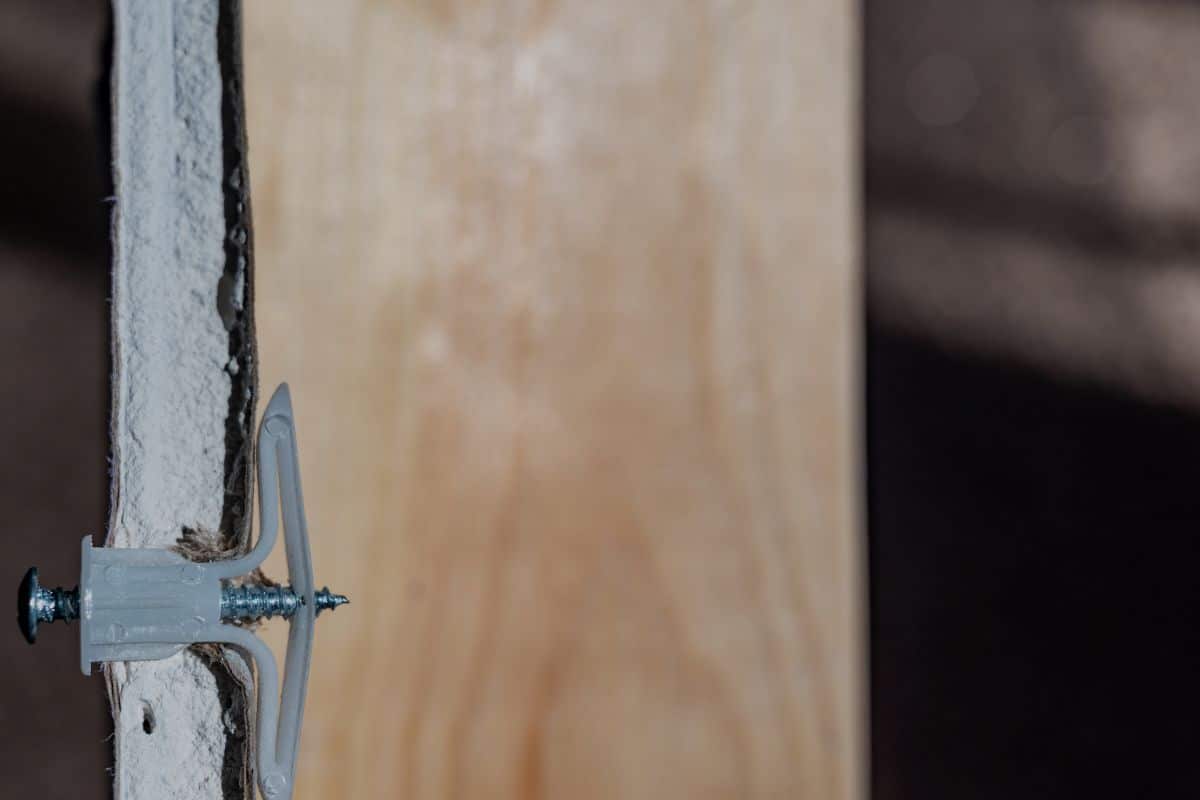
Drywall anchors make it easy to hang décor, shelves, and heavier items, but they are much harder to remove cleanly. If you pull at the wrong angle or use too much force, the anchor can rip the paper surface of the drywall or leave a deep gouge behind.
These issues often show up during home inspections across NE Texas, SW Arkansas, and SE Oklahoma, especially when sellers remove wall décor right before listing the home.
This guide explains simple, safe methods to remove different types of drywall anchors without damaging your walls. Whether you are repairing a small area, updating a room, or preparing a home for sale, these steps help you get a smoother finish with fewer surprises.
Why Safe Anchor Removal Matters During a Home Sale
Small wall issues may not seem important, but buyers notice them quickly. Drywall tears, dented spots, or rough patches often land in inspection reports as cosmetic defects.
While these problems are not structural, they can raise questions about how well the home has been maintained.
Clean, well-repaired walls can:
- Improve first impressions during showings
- Reduce buyer concerns about hidden repairs
- Make inspection reports look cleaner and more straightforward
- Prevent small issues from becoming negotiation points
In markets across the region, where many homes have been updated over the years, proper wall repairs make a big difference in how a home presents during resale.
Step 1: Identify the Type of Drywall Anchor
Every anchor removes differently, so identifying it first prevents damage. You can usually tell what you’re working with by looking at the shape of the anchor and how it sits in the wall.
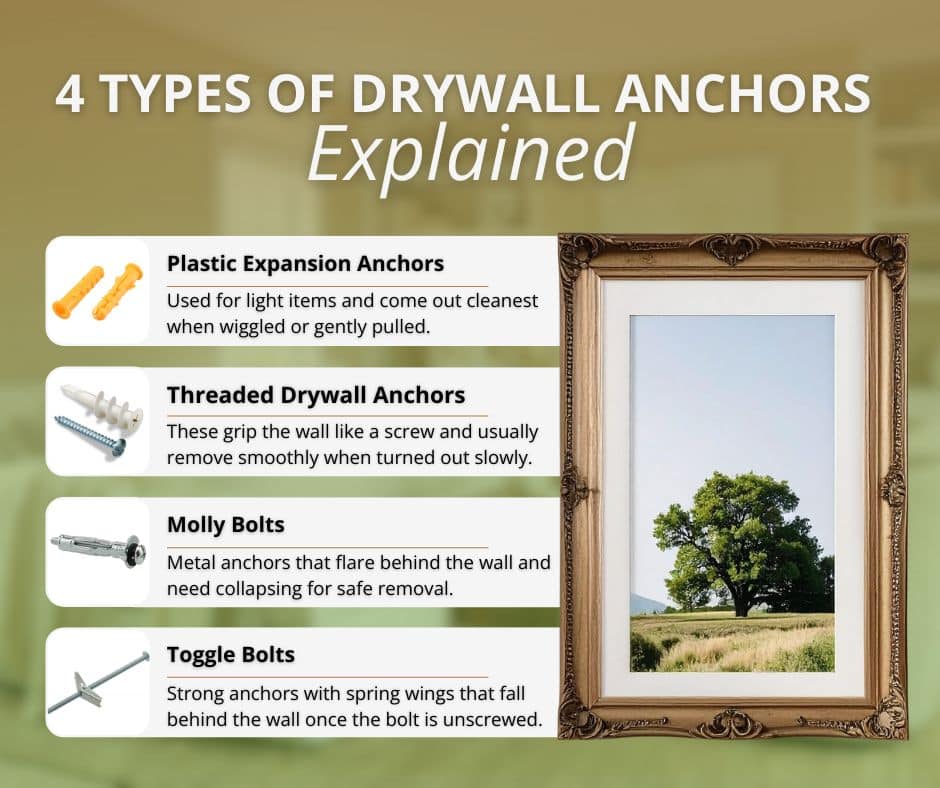
Plastic Expansion Anchors
Small, smooth plastic sleeves that expand when a screw enters them. Very common for light items.
Threaded Drywall Anchors
These look like oversized screws with wide threading. They grip the drywall surface without needing a drill bit.
Molly Bolts
Metal anchors that expand behind the wall once installed. They are stronger than plastic anchors and are commonly used for medium loads.
Toggle Bolts
These have metal wings that open behind the drywall. They support heavy loads but leave larger holes behind.
When in doubt, shine a flashlight at the anchor. The texture and material usually give it away.
Step 2: Remove Plastic Expansion Anchors
Plastic expansion anchors are the least risky to remove, but they can still tear the wall if pulled too forcefully.
Wiggle and Pull Method
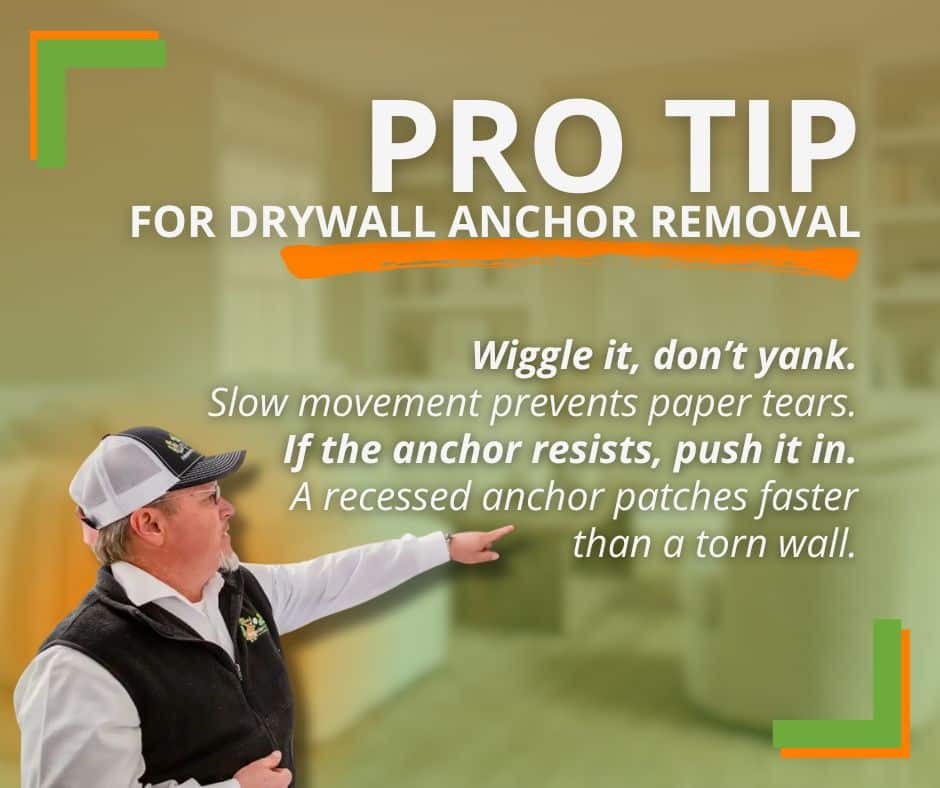
Use needle-nose pliers to grip the anchor gently. Wiggle it in small circles while applying steady outward pressure. Slow movement helps the anchor loosen without pulling the drywall paper.
Screw and Pull Method
Insert a screw halfway into the anchor. Grab the screw head with pliers and pull straight outward. This gives you more control and reduces the chance of slipping.
Push-In Method
If the anchor is brittle or stuck, pushing it slightly deeper into the wall is often the safest approach. Once it drops behind the drywall surface, the tiny hole is easy to patch.
This method is helpful in older homes where previous owners may have reused anchors or painted over them.
Step 3: Remove Threaded Drywall Anchors
Threaded anchors usually come out the cleanest if you remove them slowly.
Unscrew the Anchor
Use a screwdriver to turn the anchor counterclockwise. A slow, steady turn prevents tearing.
If the Anchor Spins in Place
Apply slight upward pressure with a flat-head screwdriver under the anchor’s lip. This gives the threads something to grip as you turn.
If the Surface Starts Tearing
Do not force it. Stop, back out slightly, and try again. If the wall has softened from humidity or past repairs, pushing the anchor inward is a safer option than pulling.
This type of damage is common in homes where anchor points have been moved or updated multiple times.
Step 4: Remove Molly Bolts
Molly bolts are strong because they flare out behind the wall. Removing them without breaking the paper surface takes patience.
Option 1: Collapse the Anchor
- Insert a screw most of the way into the molly bolt.
- Pull outward to lift the collar slightly from the drywall.
- Use pliers to bend and wiggle the collar until it separates.
- Once the collar detaches, the anchor collapses and slides out.
Option 2: Push the Anchor Into the Wall
If the collar will not lift, tap the anchor lightly with a hammer until it falls behind the drywall. This avoids a large tear and is often preferred if the wall needs only light patching.
Both methods prevent deep gouges that can happen when trying to yank a molly bolt out in one motion.
Step 5: Remove Toggle Bolts
Toggle bolts leave the biggest holes, so the goal is to remove them without widening the opening.
Unscrew the Bolt
Turn the bolt counterclockwise until it separates from the toggle. The toggle wings will fall behind the wall.
Smooth the Edges Before Patching
If the drywall around the hole looks uneven, lightly scrape any loose paper. A smooth surface helps your patch blend better.
Toggle holes look dramatic, but patching them with the right compound creates an almost seamless repair.
Step 6: Repair the Hole After Removal
Even the cleanest anchor removal leaves some sort of opening. Making the repair look natural takes only a little extra time.
For Very Small Holes
Use lightweight spackle. Smooth a thin layer over the area, let it dry, sand lightly, and repeat if needed.
For Medium Holes
Use a mesh patch. The mesh keeps the compound from cracking and creates a sturdy surface for sanding.
For Larger Holes From Toggle Bolts
Use joint compound applied in thin layers. Build up the surface gradually to match the surrounding wall.
Painting afterward is key. Even if the wall looks smooth, this step blends everything and prevents the repair from standing out during an inspection.
Common Mistakes People Make When Removing Drywall Anchors
Before you start removing anchors, it helps to know the mistakes that cause the most wall damage.
- Pulling Straight Out Too Fast: This often tears drywall paper and leads to larger repairs.
- Using Power Tools for Removal: Drills can grip too tightly or spin anchors at high speed, causing damage.
- Removing Anchors From Wet or Humid Walls: If the wall feels soft or damp, let it dry first. Damp drywall tears much more easily.
- Skipping the Patching Step: Bare holes show up sharply in listing photos, walkthrough videos, and inspection reports.
Avoiding these mistakes helps the wall stay smooth and reduces the chance of cosmetic notes that distract buyers.
Related Questions Homeowners Ask
Can unfinished anchor holes show up on an inspection report?
Yes. Inspectors note cosmetic issues when they affect how a surface looks or when they suggest a rushed repair. Clean, patched drywall leaves fewer questions for buyers.
What if I find crumbling drywall while removing an anchor?
This can point to moisture problems or aging repairs. Moisture concerns, past leaks, and poor patchwork often connect naturally with other areas of an inspection.
Is it normal to find insulation or drafty air behind a drywall anchor?
A slight draft can happen when exterior walls or attic-adjacent walls are not sealed tightly. It often becomes noticeable only after the anchor is removed.
When to Call a Professional
There are times when removing an anchor reveals bigger issues than expected. You should call a professional if you notice:
- Crumbling or soft drywall
- Water stains or discoloration inside the hole
- Warping, bowing, or bubbling on the wall surface
- Cracks are spreading out from the anchor point
- Signs of previous water intrusion or repairs
These conditions may indicate moisture issues, outdated patchwork, or structural concerns. Inspection Gator can help you understand whether the problem is cosmetic or tied to something deeper in the home.
Their inspections give you clear guidance so you can move forward with confidence.
Conclusion
Removing drywall anchors the right way keeps your walls looking clean and helps you avoid unnecessary repairs during a home sale. A careful approach protects the drywall surface, reduces patching time, and keeps your walls in good shape for painting and staging.
If you uncover unexpected wall damage, or if you want a more complete picture of the home’s condition before buying or selling, schedule with Inspection Gator to provide a detailed inspection that explains what is happening behind the surface (and what to do next).