Understanding what a sewer scope inspection reveals, what it does not reveal, and when it makes sense helps homeowners avoid unexpected surprises after closing or years down the road.
Sewer lines are one of the most critical systems in a home, yet they are also one of the least visible. Because the main sewer line is buried underground, problems can develop without any obvious warning signs inside the house. By the time symptoms appear, repairs are often disruptive and expensive.
A sewer scope inspection allows an inspector to look inside the main sewer line using a specialized camera. For buyers, sellers, and homeowners in Northeast Texas, Southwest Arkansas, and Southeast Oklahoma, this inspection can reveal conditions that are impossible to identify during a standard home inspection alone.
What Is a Sewer Scope Inspection?
A sewer scope inspection is a visual inspection of the home’s main sewer line.
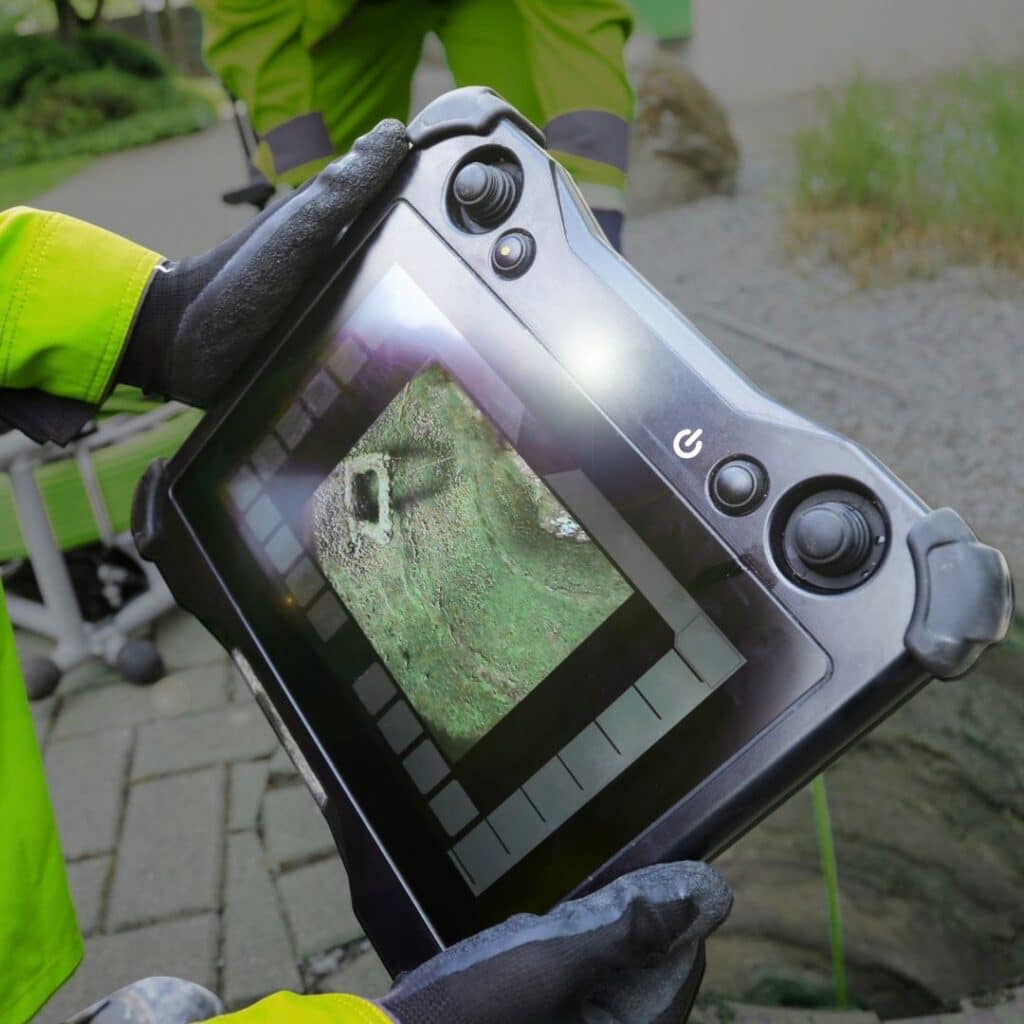
During the inspection, a camera is inserted into the sewer line through an accessible cleanout or approved entry point. The camera transmits live video, allowing the inspector to observe the interior condition of the pipe.
This inspection is observational only. It does not involve cleaning the line, repairing damage, or altering the system. The inspector documents visible conditions at the time of inspection and reports what can be observed.
Because sewer lines are underground and not visible without specialized equipment, a sewer scope inspection is often the only way to evaluate their interior condition before problems surface.
Why Sewer Lines Are Often Overlooked
Many homeowners assume the sewer line is functioning properly as long as sinks, toilets, and showers drain. Unfortunately, drainage alone does not reflect the true condition of the line.
Sewer lines are commonly overlooked because:
- Problems develop slowly underground
- Early issues may not cause immediate backups
- Symptoms can resemble minor plumbing clogs
- The system is out of sight and easy to ignore
These factors allow deterioration to progress unnoticed. A sewer scope inspection fills this gap by providing direct visual information instead of assumptions.
What a Sewer Scope Inspection Can Reveal
A sewer scope inspection provides a snapshot of the sewer line’s condition at the time of inspection. While it cannot predict future failures, it can identify existing conditions that may affect performance or longevity.
Common findings include:
- Root intrusion
- Cracks or fractures in the pipe
- Pipe offsets or misalignment
- Corrosion or deterioration
- Standing water within the line
- Debris or buildup restricting flow
Each of these findings carries different implications. Some may simply require monitoring, while others may justify further evaluation. The value of the inspection lies in understanding what is present now, before a failure occurs.
Root Intrusion and Why It Matters
Root intrusion is one of the most frequent findings during sewer scope inspections. Tree and shrub roots naturally seek moisture and can enter sewer lines through joints, seams, or small cracks.
Once inside the pipe, roots tend to expand over time. This can restrict wastewater flow, trap debris, and worsen existing defects. Root intrusion does not always cause immediate backups, which is why it often goes unnoticed until revealed by a camera inspection.
Identifying root intrusion early helps buyers and homeowners understand the likelihood of recurring issues and future maintenance considerations.
Cracks, Fractures, and Structural Damage
Sewer pipes are affected by age, soil movement, and external pressure. Over time, these factors can lead to cracks or fractures in the pipe walls.
Structural damage may result from:
- Soil shifting or settling
- Heavy loads above the sewer line
- Aging materials such as cast iron or clay
- Improper installation
Even small cracks can allow roots or soil intrusion, increasing the risk of blockages and further deterioration. Larger fractures may compromise the integrity of the entire line.
Pipe Offsets and Misalignment
Pipe offsets occur when sections of the sewer line no longer align correctly. This often happens due to ground movement or joint failure.
Offsets can:
- Interrupt wastewater flow
- Catch debris inside the pipe
- Increase stress at pipe connections
Minor offsets may not cause immediate problems, but significant misalignment can lead to repeated issues. A sewer scope inspection helps document the location and severity of these conditions.
Standing Water and Drainage Issues
Standing water inside a sewer line can indicate improper slope, bellies in the pipe, or partial obstructions.
Standing water matters because it slows drainage and allows waste and debris to settle. Over time, this can accelerate corrosion, increase buildup, and reduce overall system efficiency.
Documenting standing water helps homeowners understand how the system is functioning at the time of inspection and whether further evaluation is warranted.
Debris, Buildup, and Flow Restrictions
Sewer scope inspections may reveal debris or buildup such as grease, paper products, or sediment.
Buildup can:
- Reduce the effective diameter of the pipe
- Slow wastewater movement
- Increase the likelihood of backups
While inspectors do not remove buildup, identifying its presence provides valuable context for current performance and future maintenance planning.
What a Sewer Scope Inspection Does Not Do
A sewer scope inspection is visual and non-invasive. It is important to understand its limitations. This kind of inspection does not:
- Clean or clear the sewer line
- Repair damaged pipes
- Guarantee future performance
- Access areas blocked by severe obstructions
Inspectors report what can be observed at the time of inspection and note any limitations encountered.

When a Sewer Scope Inspection Is Especially Important
While any property can benefit from a sewer scope inspection, certain situations increase its value.
A sewer scope inspection is especially helpful when:
- Buying an older home
- Purchasing a property with large trees nearby
- The sewer pipe material is unknown
- The property has been vacant
- There is a history of drainage concerns
In these cases, the inspection provides insight into a system that would otherwise remain unexamined.
Sewer Scope Inspections During Real Estate Transactions
During real estate transactions, sewer scope inspections help reduce uncertainty for all parties involved. Buyers gain clarity about a major underground system, while sellers benefit from documented information rather than assumptions.
For buyers, a sewer scope inspection can reveal conditions that may influence negotiations or future planning. For sellers, it can reduce the risk of post-closing disputes related to sewer line conditions that were unknown at the time of sale.
Agents often value sewer scope inspections because they help avoid last-minute surprises that can disrupt closing timelines.
How Sewer Scope Findings Are Reported
Clear reporting is a critical part of the value of a sewer scope inspection. Inspection Gator documents findings using video evidence and written observations that describe what was visible at the time of inspection.
Reports typically include:
- Descriptions of observed conditions
- Video footage or images from the inspection
- Notes about limitations or inaccessible areas
- General context about how findings may affect performance
This documentation allows buyers, sellers, and homeowners to share consistent information with other professionals if further evaluation is needed. The report does not provide repair instructions or cost estimates, but it gives a reliable record of the sewer line’s observable condition.
Related Questions Homeowners Ask
How does a standard home inspection differ from a sewer scope inspection?
A standard home inspection evaluates visible and accessible components of the home, while a sewer scope focuses specifically on the buried sewer line.
Do septic systems or wells change whether a sewer scope is needed?
Homes with septic systems or wells have different inspection needs, but buried waste lines can still benefit from camera inspection, depending on configuration.
How can plumbing issues affect a home beyond backups or slow drains?
Plumbing problems can contribute to moisture intrusion, foundation movement, mold growth, and damage to flooring or walls, even when symptoms seem minor at first.
When to Call a Professional
Knowing when to schedule the right kind of inspection with Inspection Gator helps homeowners get the right information at the right time.
A standard home inspection is appropriate when:
- Buying or selling a home
- Evaluating the overall condition of major systems
- Establishing a baseline understanding of the property
A sewer scope inspection is a smart addition when:
- You want insight into the condition of the buried sewer line
- The home is older or has large trees nearby
- The sewer system has never been inspected
- You want added confidence before closing
Both inspections work together to provide a clearer picture of the home.
Conclusion
A sewer scope inspection offers valuable insight into a system that is otherwise hidden from view. By identifying observable conditions inside the sewer line, this inspection helps buyers and homeowners make informed decisions and avoid unexpected surprises.
For properties in Northeast Texas, Southwest Arkansas, and Southeast Oklahoma, sewer scope inspections are an important complement to a standard home inspection.
Inspection Gator helps homeowners understand what is happening below ground by providing clear, accurate sewer scope inspections that support confident decision-making.